


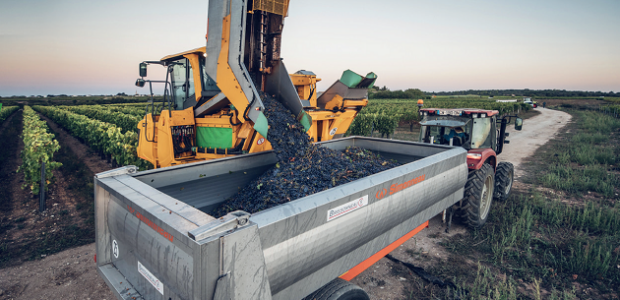
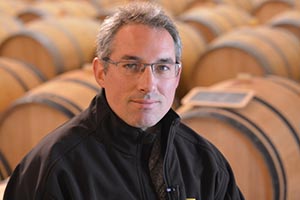
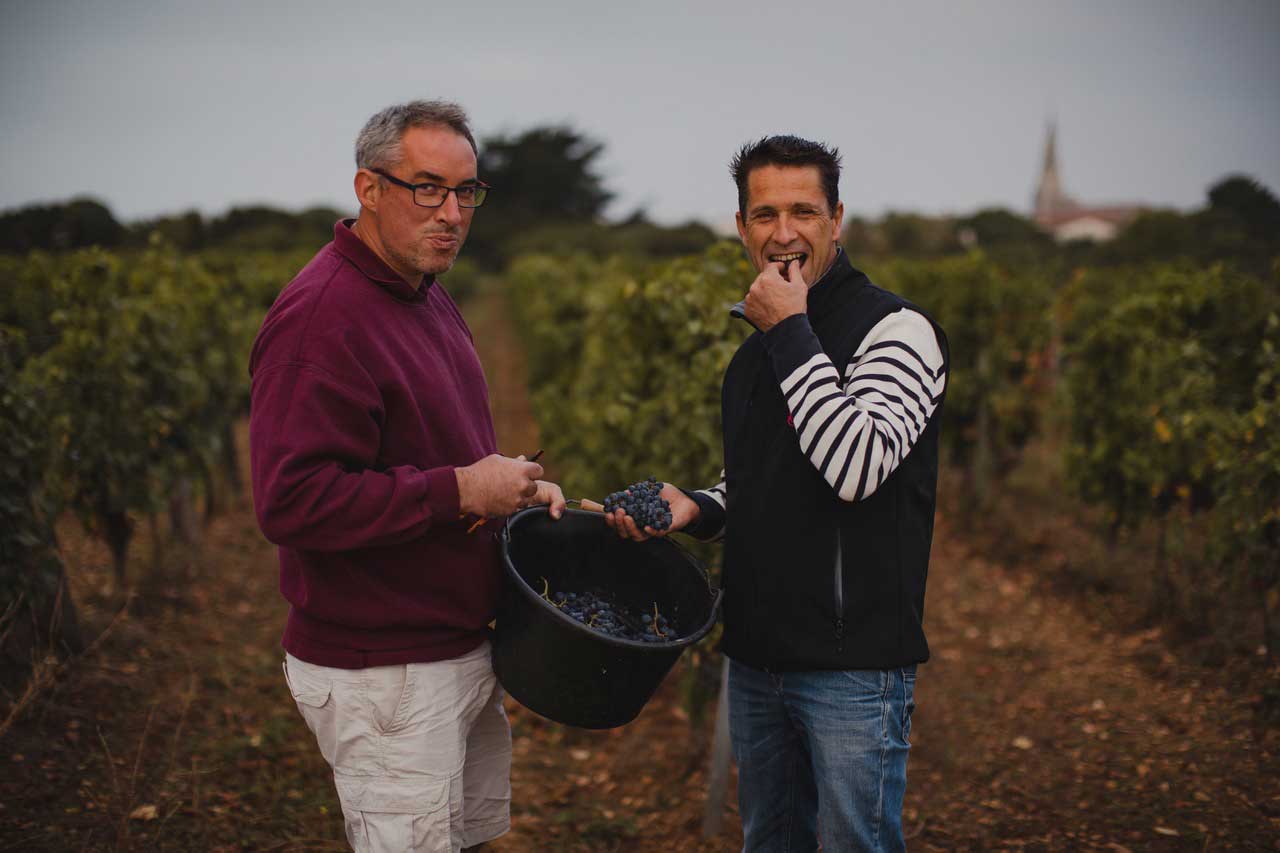
Jérôme Poulard, Uniré's Technical and Quality Control Manager, and Benoît Penanhoat, oenologist and cellar master, work together to coordinate the Île de Ré winegrowers' harvest. During this intense period, they took a short break to tell us about it.
The Île de Ré winegrowers began improving their practices long before the HVE (High Environmental Value) initiative, notably introducing mating disruption in 2011 as an alternative to chemical treatments. Vegetable growers and winegrowers are now working towards HVE Level 3 certification for Uniré by 2027, or even 2025. Quality Manager Christelle Couty, who supports them, explains what this certification involves.
Some plots suffered spring frost, but the island's vineyards were largely spared thanks to the ocean's mild influence, while many French vineyards were devastated. Downy mildew was almost absent in summer, with wind dispersing excess moisture. July and August were cloudy without intense heat. September was beautiful, helping balance acidity and sugar in the grapes. Overall, this vintage varies greatly between plots and sometimes within individual plots. We increased ripeness checks to harvest at the best moment, ensuring both phenolic and aromatic maturity.
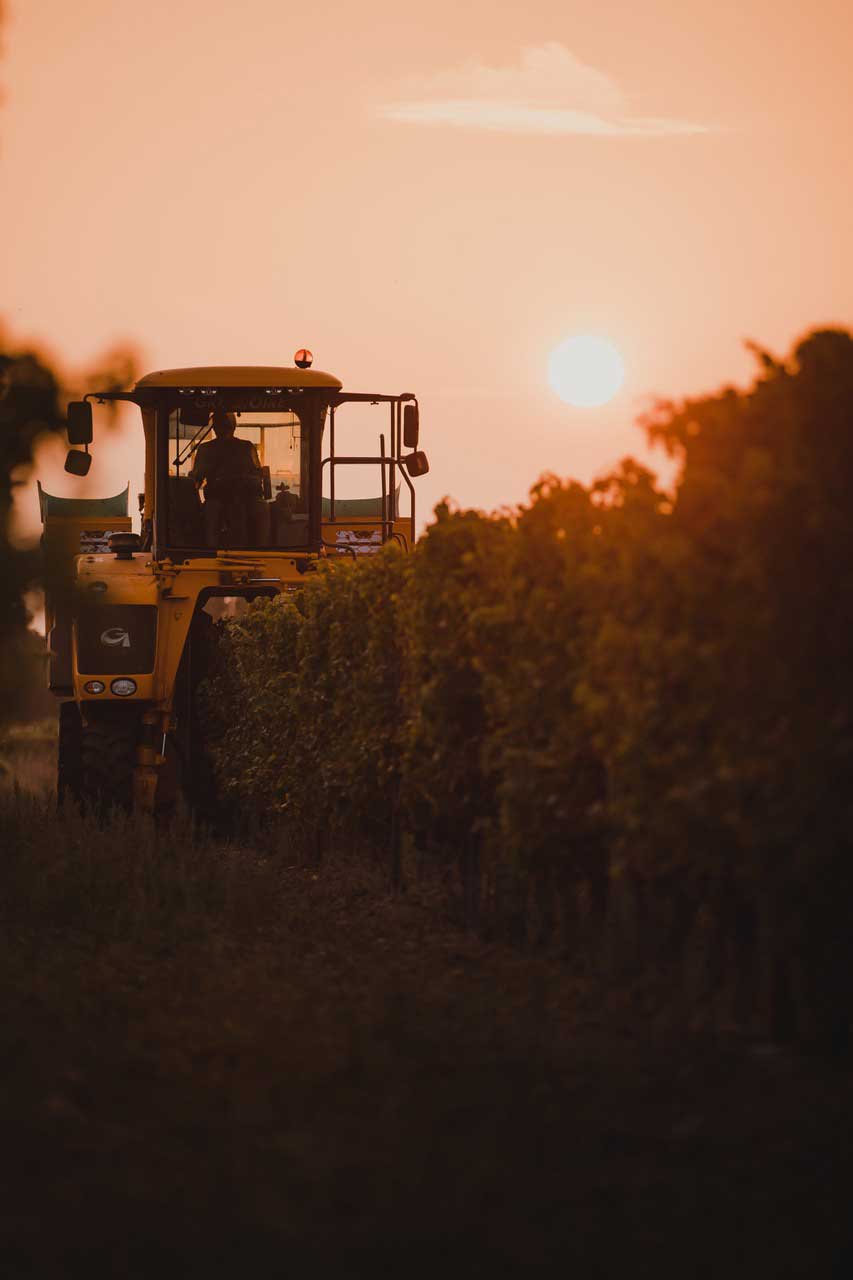
Harvesting takes place at night, and pressing begins around 6am to preserve freshness. We started on 15 September with Merlot for Pineau des Charentes, then Chardonnay on 17, 22 and 28 September and Sauvignon over two days, following each plot's ripeness closely. We are now starting Merlot for rosé, followed by Cabernet, then the ripest grapes for red wines. We expect to finish around 20 October with Ugni Blanc for eau-de-vie and Pineau, which appears to be of very good quality.
Unlike many mainland vineyards, we have good volumes. We expect an average year, or slightly above average, compared with previous years.
We can say that this will be a winegrower's and oenologist's vintage! A winegrower's vintage because constant monitoring throughout summer was essential to watch for disease. An oenologist's vintage because extensive ripeness checks were needed to start harvesting at the right time.
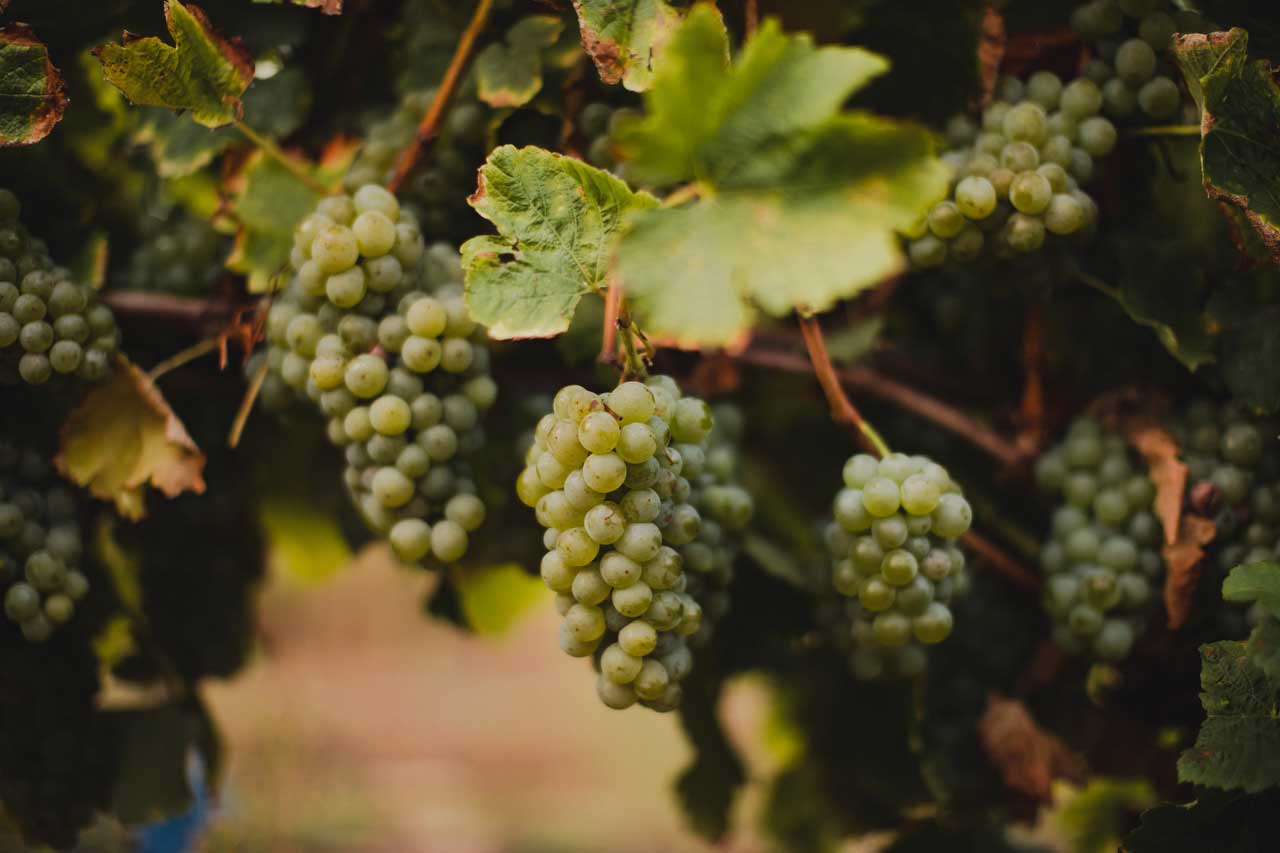
The grapes received so far are of excellent quality thanks to the many ripeness checks. Acidity and sweetness are beautifully balanced, promising fresh, fruity rosés and refreshing Sauvignon and Chardonnay whites.
Film made for a commercial initiative with Hyper U Beaulieu in support of the SNSM sea rescue charity. Some bottles will be sold during its wine fair with a basket of oysters from the oyster grower, benefiting the SNSM.
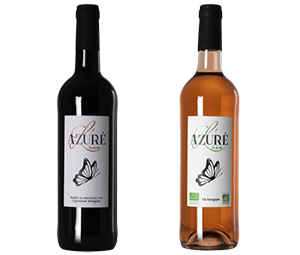
The Île de Ré winegrowers produce the island's only organic rosé wine.
Committed to conversion for several years, they strive to showcase their cooperative expertise while protecting their land.
“For me, the future is to develop my organic production.”
“I represent the fifth generation on a 22-hectare vineyard in Le Bois-Plage. We have been fortunate to pass on our passion and heritage within the family, which makes me particularly attentive, as a cooperative member, to generational renewal on the island's farmland.”
“Organic farming is neither easy nor difficult; it takes more time.”
Want to discover local culture through an original activity? Share a fun experience with family or friends? Or find something to do when it rains on Île de Ré? Look no further!
The Île de Ré winegrowers open their cellar shop seven days a week in July and August. Taste wines, Pineau des Charentes and Cognac made on the island, shaped by local terroir and centuries of expertise.
To go further, come to the cellar shop Monday to Friday at 10.30am or 3.30pm* for a behind-the-scenes tour of the cooperative. Explore Cognac through the distillery and ageing cellar, and discover the secrets of Pineau des Charentes, a fortified wine particularly popular with islanders.
Step inside the cooperative and share the winegrowers' passion for products born of careful work and love for their land. A journey into the fascinating world of wines and spirits to awaken your senses and delight your palate!
*July and August only
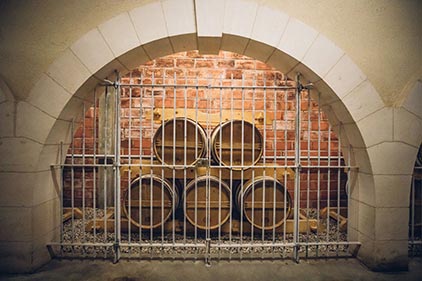
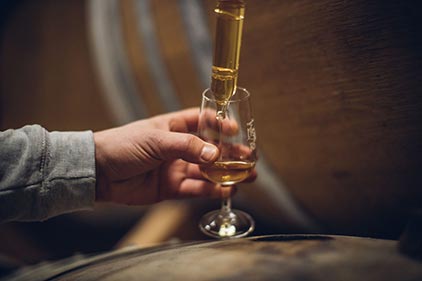
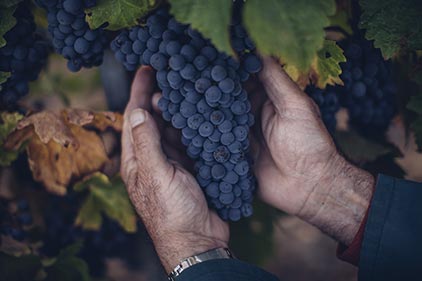
Photo credits: Yoshi Power Shot
Like all plants, vines are vulnerable to insects that can harm their growth and grape development. These include the larvae of European grapevine moths, known as grape worms, which feed on flower buds or developing berries and destroy part of the harvest.
Historically, these larvae were controlled by spraying crop-protection products on the vines. For several years, the cooperative has encouraged more environmentally responsible practices to protect local biodiversity. Today, all member winegrowers use mating disruption to control these larvae.
How does mating disruption work? Winegrowers place wire-shaped pheromone dispensers at regular intervals throughout the vineyards. Male insects then find it harder to locate females, disrupting and limiting reproduction.
This relatively simple method leaves no residues on grapes and is non-toxic to growers and the environment. It has been adopted unanimously by the Île de Ré winegrowers!
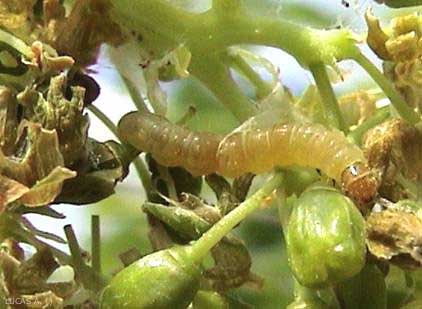
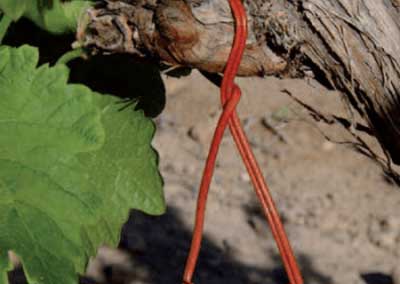
Credits: http://ephytia.inra.fr/fr/I/8446/eudemis-9
http://www.vignevin-occitanie.com/wp-content/uploads/2018/08/isonet-L-400x284.png
Ahead of the presentation of his new organic L'Azuré wine on Saturday 4 May at Les Régalades, we met Jean-Jacques Enet, President of the Île de Ré winegrowers' cooperative.
Jean-Jacques Enet loves his island, which he left only to study in Angoulême. A farmer at heart, he grew up on the family farm and knew from childhood that he would carry on its work. He retains wonderful memories and lasting friendships from four years as a boarder at Angoulême's agricultural school, where he gained a vocational qualification in viticulture in 1980. This work-study training broadened his technical knowledge through large-scale agricultural production in Segonzac and quality winemaking methods in Saint-Émilion.
Jean-Jacques returned to the island in late 1981 to help on the family farm while developing his own mixed-farming activity. By 1985, he had enough land to set up independently. He gradually expanded, incorporating the family farm in 1989. Today, he farms 40 hectares, including 18 hectares of vines. Having supplied all his production to the cooperative from the outset, he naturally became involved in 1987 as President of the Cercle Agriculture, then in the Île de Ré Agricultural Development Group, supported by the Chamber of Agriculture. He has been President of the cooperative since 2004.
He is deeply committed to the cooperative model, embracing the motto “Alone we go faster; together we go further.” He also serves as a director at Crédit Agricole, contributing his knowledge of the local economy. In his spare time, he enjoys shore gathering, remaining closely connected to his island.
In 1950, Île de Ré's agricultural production was still entirely dominated by merchants, with 1,200 small farms working separately. On 24 December that year, a few winegrowers joined forces and officially established the winery. It was an immediate success, reflecting the urgent need for fairer, more stable working conditions. Three years later, every farmer on the island was a member.
The winery's history has been shaped by three principal President–Director partnerships: Paul Laidet and André Chaigne until 1980; Michel Pelletier and Franck Nadaud until 2000, who helped it recover from the major Cognac crisis of the 1970s; and the current partnership of Jean-Jacques Enet and Director Christophe Barthère, leading its move towards sustainable agriculture.
Today, the cooperative has 120 members, 60 of whom are active. Farms have consolidated considerably, with average size rising from around 1 to 50 hectares. This transformation has been accompanied by a gradual quality revolution. The winery now has highly efficient facilities, particularly for wine production; it also produces the famous Île de Ré potato. Limited by the island's size, it remains committed to short supply chains: 80% of its market is on Île de Ré, with the remainder around neighbouring La Rochelle. Its customers are therefore island residents and visitors, partly explaining its current changes, which are particularly profound for a cooperative winery.
This rapid, far-reaching change began recently with five or six members convinced of the need for organic farming who embarked on conversion. The three-year conversion period gave the winery time to adapt and prepare a dedicated range to meet demand on the island.
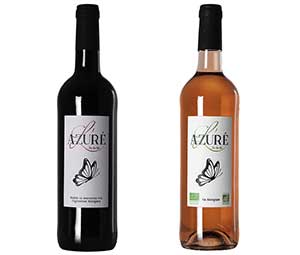
“Today, the results are more than satisfactory. In 2016, the winery launched its organic L'Azuré rosé — a name chosen with island residents — with 28,000 bottles. L'Azuré now reaches 100,000 bottles, including red. Beyond this expanding range, we have fundamentally changed our methods, incorporating environmental protection and sustainability into every process. Our whole production is now moving closer to organic standards. We have begun HVE certification and recognised how vital this transition is to our future and our harmonious presence on the island.
We are fortunate to benefit from the island's climate, sunnier and drier than the mainland and almost free of downy mildew. Even before these changes, we used 30% fewer crop-protection products than agriculture elsewhere in the region. Alongside this transition, we are investing heavily in visitor facilities: new premises and a more modern, personal approach to welcoming visitors and hosting activities. Opening in 2020. An exciting adventure that I invite you to discover here!”
More information:
Press contact: julie@outdoo.fr - +33 (0)5 79 86 01 01
Website: www.vigneronsiledere.com
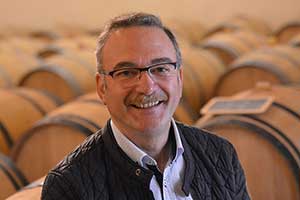
Originally from La Rochefoucauld, 39-year-old Jérôme became interested in wine at an early age through an uncle who was an oenologist. After a vocational diploma in viticulture and oenology at the Lycée Agricole de l'Oisellerie in Angoulême, he undertook work-study training in wine business management at the Institut Rural de Vayres. He developed expertise in both Bordeaux and Cognac, combiningBordeaux's commitment to quality, through his experience at Mouton Rothschild, with expertise in high-volume production through Cognac. He then spent a year at Château Nénin (Léoville Las Cases group) in Bordeaux in 2004 before joining Île de Ré to work alongside, then succeed, Francis Bouriau in 2005.
Uniré also produces the island's famous early-season PDO potatoes. In both activities, Jérôme strives for excellence, drawing on his training and his conviction that this is the only way to secure the future of a winery in a heavily touristic area with limited land and strong property pressure: vineyard acreage fell from 2,000 to 500 hectares in 50 years.
Environmental requirements are part of the quality revolution that began in 2004, after a year of overproduction highlighted the need to produce less, but better. “We started working plot by plot, distinguishing our soils, climates and grape varieties to adjust harvest dates. This first took shape in our premium ‘Ultimium’ range. My ambition was to focus our efforts on making good wines that would be recognised as such.”
The winery then developed alternative methods, starting by replacing insecticides with insect mating disruption on 30 hectares in 2010 and 60 in 2011. The method is now used throughout the vineyard, with dispensers supplied to growers. Insecticides have been eliminated.
In 2014, Uniré realised that its neighbours knew little about its environmental efforts and decided to accelerate its progress towards organic certification. A small group of winegrowers trained with Agrobio Périgord, a consultancy that still supports them. “Their expertise helps us, as does the island's specific climate: steady humidity, coolness, sunshine and the absence of downy mildew. Our first growers then began conversion: Christophe Caillaud (25 hectares), followed by Frédéric Turbé (17 hectares), Carole Pardell and Eric Mounier (5 hectares), Anthony Cordon (6 hectares), and finally this year Jonathan Henry (2 hectares).
The number of organic growers will increase, while our entire production is moving towards even more environmentally responsible practices.”
More information:
Press contact: julie@outdoo.fr - +33 (0)5 79 86 01 01
Website: www.vigneronsiledere.com

 © yoshipowershot.com
 © yoshipowershot.com
 © yoshipowershot.com